Introduction to Utility Inspections
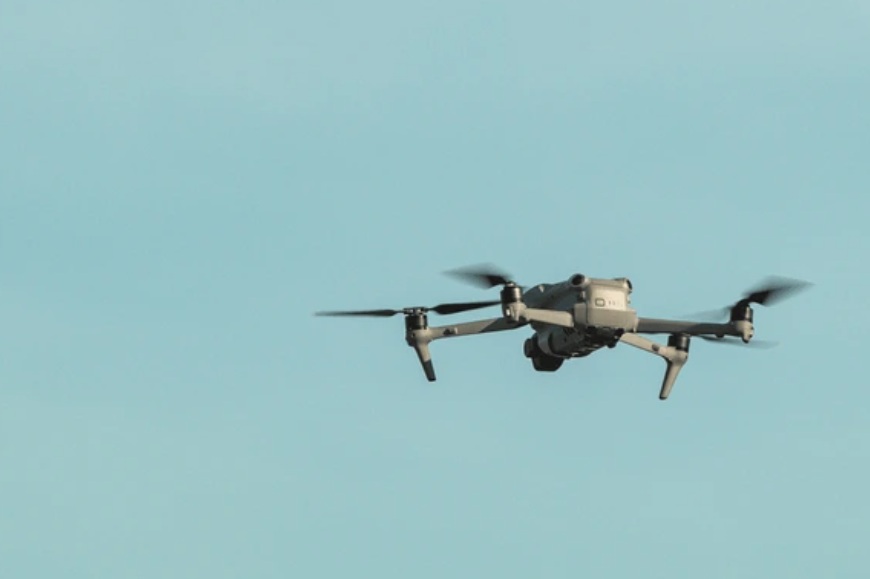
Utility inspections have long been a crucial part of maintaining the safety and functionality of essential services such as electricity, water, and telecommunications. Traditional methods employed for these inspections often involve significant labor, time, and costs, drawing workers into potentially hazardous environments. However, a remarkable transformation is underway in this arena, primarily driven by technological advancements. Drones are now emerging as a pivotal tool, revolutionizing how inspections are conducted across various utilities. Among their many applications,
drones for roof inspection have become increasingly popular due to their efficiency and accuracy.
The Benefits of Drone Technology
The advent of drone technology has brought about numerous benefits that directly enhance the efficiency of utility inspections. Here are some key advantages:
- Safety: Drones reduce the need for personnel to work in dangerous locations, such as on rooftops or high towers.
- Cost-Effectiveness: The use of drones minimizes labor costs and reduces the amount of equipment needed for inspections.
- Data Accuracy: Drones equipped with high-resolution cameras and sensors provide accurate data, improving decision-making and resource allocation.
- Speed: Drones can cover large areas in a fraction of the time it would take traditional inspection teams, allowing for faster turnaround times on assessments.
Applications in Utility Inspections
Drones are proving versatile across multiple sectors within utility inspections. Their applications are rapidly expanding as new models evolve with more powerful capabilities.
1. Drones for Roof Inspection
One of the most significant advancements in utility inspections is the use of drones for roof inspection. Inspecting roofs traditionally requires scaffolding or ladders, putting workers at risk and extending the duration of the inspection process. Drones can easily access hard-to-reach areas and provide detailed imagery, allowing inspectors to assess the condition of roofs without endangering lives. This method not only enhances safety but also leads to comprehensive reports that include visual evidence of any issues.
2. Powerline Inspection Drones
Another noteworthy application is in the field of electrical utilities, particularly through the use of
powerline inspection drones. These drones enable utility companies to monitor extensive powerline networks more effectively. By employing thermal imaging and high-definition cameras, they can detect electrical anomalies, vegetation encroachment, and physical damage to lines, ensuring that maintenance can be conducted before any major failures occur. This proactive approach to inspections leads to increased reliability of power supply and minimizes outages.
Regulatory Considerations and Future Trends
As the adoption of drone technology becomes more prevalent, regulatory bodies are also taking notice. Governments around the world are formulating guidelines to safely integrate drones into the airspace for utility inspections. This regulatory evolution will help facilitate broader acceptance and usage of drones across industries.
Looking ahead, the future of utility inspections appears bright with the continuous evolution of drone technology. Innovations such as AI integration for predictive analytics, improved battery life for extended flights, and enhanced payload capacities for varied sensors are all on the horizon. These advancements will only serve to further cement drones as an invaluable resource in utility inspections.
Revolutionizing Utility Inspections
In essence, drones are not just enhancing the existing methodologies of utility inspections; they are truly revolutionizing the field. From inspections of roofs to vast powerline networks, drones are setting a new standard for efficiency, safety, and accuracy. As the technology continues to progress and regulations adapt, we can anticipate an increasing reliance on drones within the utility sector. The future holds exciting possibilities as we embrace this aerial technology to guarantee the integrity and reliability of essential utility services.