

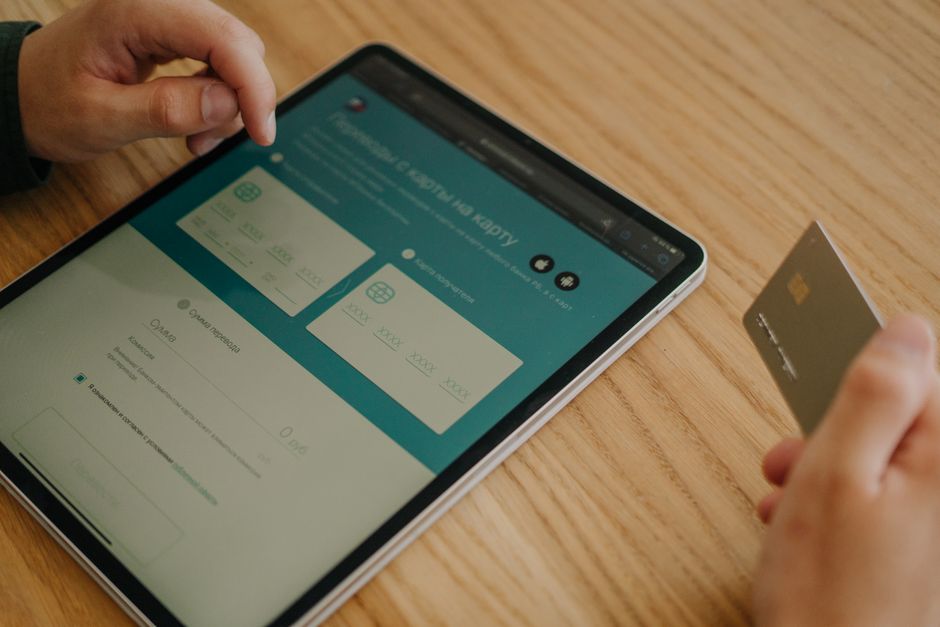
Understanding the Importance of UI UX in Fintech
In the rapidly evolving financial technology sector, the design of user interfaces and user experiences plays a crucial role in shaping customer satisfaction and trust. Fintech platforms often handle sensitive data and complex processes, which means that clarity, security, and ease of use must be prioritized. Engaging UI UX design services for fintech ensure that applications are not only aesthetically pleasing but also intuitive and reliable, significantly enhancing user engagement and retention.
Key Elements of Effective Fintech UI UX Design
Designing for fintech applications requires a specialized approach that addresses unique challenges and user expectations. The key elements include:
- Security and Trust Indicators: Visual cues such as secure login methods, encryption icons, and transparent privacy policies help build user confidence.
- Clear Information Architecture: Organizing complex financial data into digestible segments ensures users can navigate effortlessly without feeling overwhelmed.
- Responsive and Accessible Design: Fintech apps must provide seamless experiences across devices and be accessible to users with disabilities.
- Minimalist and Functional Aesthetics: Clean layouts with purposeful use of color and typography reduce cognitive load and improve decision-making.
Integrating Emerging Technologies in Fintech Design
Modern fintech solutions are increasingly leveraging advanced technologies to enhance functionality and user experience. Combining UI UX design services for fintech with innovative development areas such as:
- Custom SaaS UI/UX Design: Tailoring software-as-a-service platforms to provide scalable and customizable financial tools for diverse client needs.
- Fintech Development: Building core financial applications with secure and user-friendly interfaces that simplify transactions and account management.
- App Development: Creating mobile and web apps that prioritize user engagement through intuitive navigation and personalized experiences.
- Blockchain Development: Incorporating decentralized ledger technology to enhance transparency and security in financial operations.
- AI Development: Utilizing artificial intelligence to deliver personalized insights, automate routine tasks, and detect fraudulent activities in real-time.
Best Practices for Designing Fintech Interfaces
Applying best practices in UI UX design is essential for fintech applications to meet user expectations and regulatory requirements. Some of these practices include:
- User-Centered Design: Conducting thorough user research and usability testing to align interface features with actual user needs and behaviors.
- Consistency: Maintaining uniform design patterns and interaction flows to reduce confusion and increase predictability.
- Feedback and Error Handling: Providing immediate and clear feedback for user actions, including error messages that guide users to correct input mistakes.
- Performance Optimization: Ensuring fast loading times and smooth transitions to prevent user frustration, especially when handling financial transactions.
- Compliance and Accessibility: Designing in accordance with financial regulations and accessibility standards such as WCAG to serve a broader audience.
Future Trends in Fintech UI UX Design
The fintech industry continues to evolve, and UI UX design must adapt to emerging trends that shape user expectations:
- Voice-Activated Interfaces: Increasing use of voice commands for hands-free financial management.
- Personalized Dashboards: AI-driven customization of user interfaces to present relevant data and recommendations.
- Biometric Authentication: Enhanced security through fingerprint, facial recognition, and behavioral biometrics integrated seamlessly into the UX.
- Augmented Reality (AR): Innovative ways to visualize financial data and investments in immersive environments.
Designing the Future of Financial Experiences
As fintech applications become more integral to everyday financial management, the role of specialized UI UX design services grows ever more important. By focusing on user-centric approaches, integrating cutting-edge technologies, and adhering to industry best practices, designers can create fintech platforms that are secure, accessible, and highly engaging. This tailored design process not only enhances usability but also builds the trust necessary for users to confidently manage their financial lives through digital means.